

Entrepreneurship for Transformation: Women on the Front Lines in the Fight Against Global Climate Change
Transitioning to a low-carbon economy requires not only technological and economic transformations, but also a profound social change that includes and empowers all segments of society.
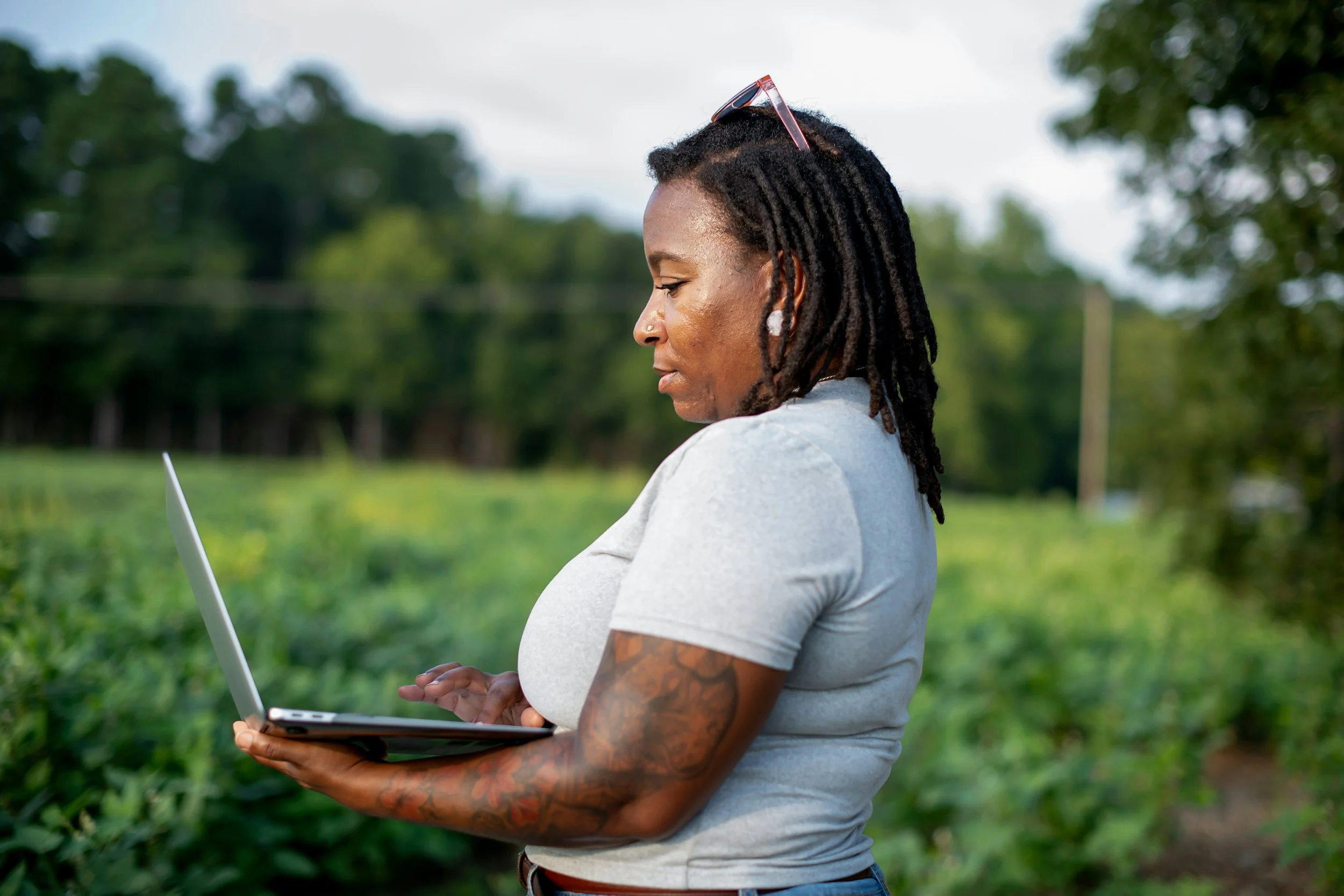
After COP30, held in November 2025 in Belém (PA), the debate on climate took on new dimensions by incorporating, in an even more robust way, a decisive actor for the sustainable transition: female entrepreneurship.
In a world increasingly impacted by extreme weather events, women are transforming vulnerability into innovation, income, and environmental conservation. In Brazil, this leadership directly aligns with global guidelines, such as the Gender Action Plan of the United Nations Framework Convention on Climate Change (UNFCCC), which recognizes women's empowerment as a pillar of a fairer and more effective climate response.
Women are at the forefront of climate resilience efforts in communities around the world, leading efforts in sustainable agriculture, water resource management, and disaster response, but they often lack access to the financial services needed to scale up their contributions. According to the UN, in 2022, only 3% of all official climate-related development assistance had gender equality objectives.
According to Margarete Coelho, Director of Administration and Finance at Sebrae Nacional, strengthening female entrepreneurship is an essential climate strategy. "Sebrae has been intensifying actions based on the recognition of the crucial role of small businesses, especially those led by women, in the climate agenda," she states. Programs like Sebrae Delas offer training in management, finance, and innovation, with a growing focus on socio-environmental impact businesses and practices such as circular economy, bioeconomy, and renewable energies.
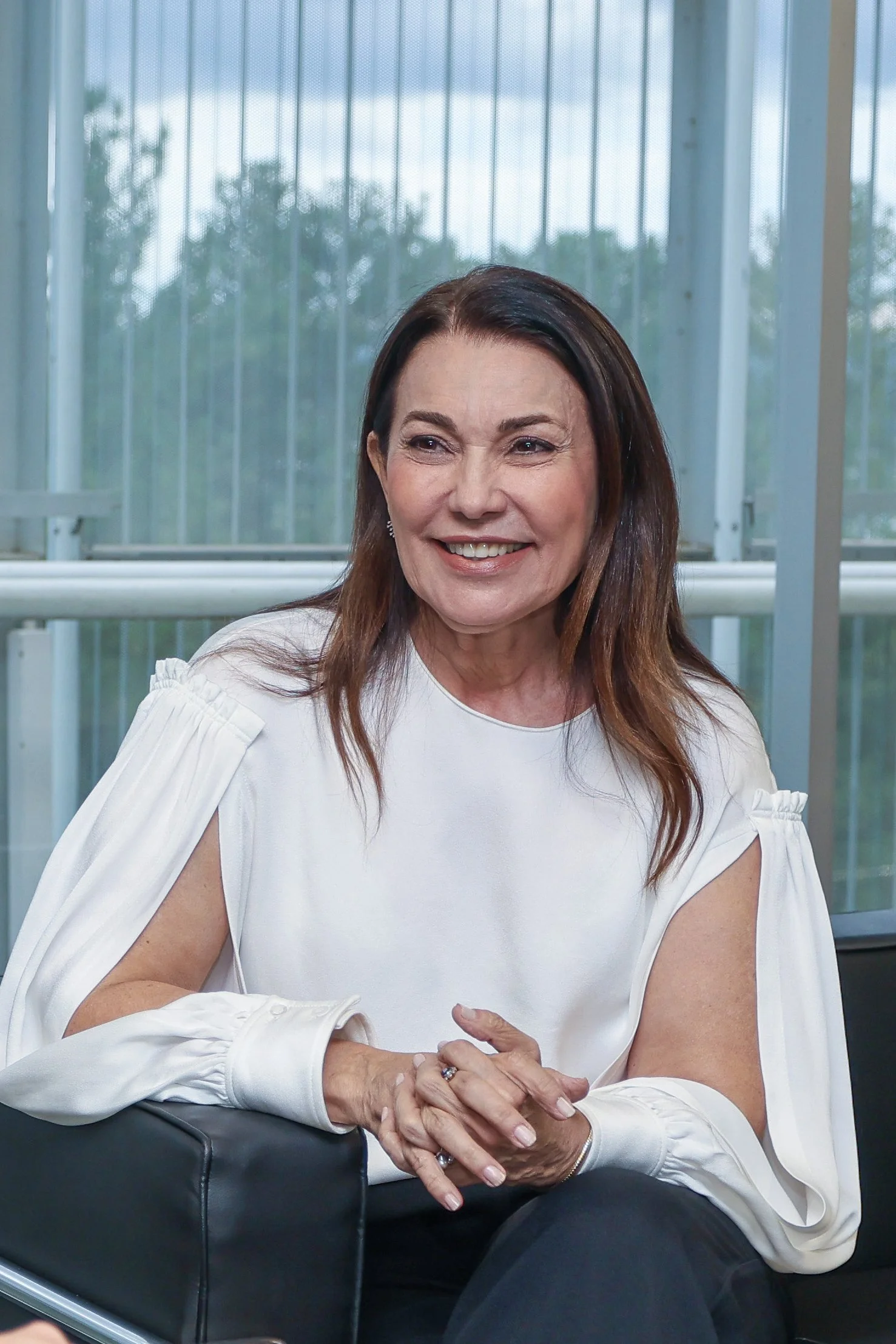
Margarete Coelho, Director of Administration and Finance at Sebrae Nacional
Alignment with the international agenda is also explicit. Sebrae is a signatory to the Women's Charter at COP30, which advocates for a just and inclusive transition, and participates in preparatory events that place women's entrepreneurship at the center of climate discussions. This initiative aligns with the UN Gender Action Plan, which aims to increase women's participation in climate policies and facilitate their access to financing and technology.
One of the biggest bottlenecks, however, remains credit. Although studies show that women are, on average, more reliable with their payments, they still pay higher interest rates and face disproportionate demands. According to Margarete, Sebrae acts as a guide and facilitator to change this scenario. "We train female entrepreneurs in the development of robust business plans, aligned with the sustainability criteria required by green credit lines," she explains.
Specific platforms and programs are already showing results. The Sustainable Growth project, for example, supports companies in obtaining ESG recognition. In just over three months, it reached 10,000 registered users, with almost 3,600 initial recognitions and 23 ESG Seals granted – about half of these to businesses led by women. Furthermore, Sebrae connects female entrepreneurs to banks and impact investment funds, increasing the chances that climate finance will actually reach those who drive the green economy.
In practice, concrete stories show how this combination of training, credit, and territory can generate environmental and social impact. In Igarapé-Açu (PA), agricultural engineer Luciana Athayde, winner of the Sebrae Women in Business Award, transformed a degraded area into a productive agroforestry system. At the Tolú Agroecological Site, 20 of the 26 hectares are reforested and preserved, while the rest house the production of fruits and vegetables and the raising of free-range chickens. The business produces about 35 tons of organic food per year and innovated by launching pitaya tepache, a fermented drink made from the fruit's peel, reducing waste and adding value to local production.
Luciana also develops composting of urban and rural organic waste, collected in partnership with local businesses, and acts as a reference in environmental education for schools and universities. During the pandemic, with the support of Sebrae (Brazilian Micro and Small Business Support Service), the business invested in delivery sales and later opened a physical store. In 2024, revenue reached R$ 300,000 – proof that working with sustainable practices can also be economically viable.
Another example comes from Santa Bárbara do Pará, in the metropolitan region of Belém. There, the women of the Association of Women Artisans of the Chicano Colony produce bio-jewelry and ceramic pieces from clay extracted in a traditional way from the banks of the Tauá River. Led by Rose Mescouto, they create necklaces, earrings, and sculptures inspired by Amazonian vegetation, such as cocoa leaves, cupuaçu, and açaí seeds. The production, which averages 200 pieces per month and can double during periods of high demand, generates income, preserves local knowledge, and values socio-biodiversity.
The importance of inclusion during the climate transition.
These initiatives gain even more relevance in the context of COP30. Sebrae's role during the event was strategic in promoting more diverse and inclusive entrepreneurship. The institution intends to continue giving visibility to businesses led by women, indigenous peoples, and traditional communities, creating a showcase of sustainable solutions and strengthening value chains in the Amazonian bioeconomy. Mentoring, consulting, and market access are part of the package, with the goal of integrating these ventures into the global debate and opportunities.
“Our commitment is to amplify the voices of women from diverse territories and realities, ensuring that this plural universe is well represented in global climate discussions,” says Margarete. By connecting gender, climate, and small businesses, Sebrae reinforces a central message of COP30: there is no effective climate transition without inclusion.
Main photo credit: Unsplash/ Land O'Lakes
