

COP30 and Bioeconomy: a new engine for small Brazilian businesses
The sector, which combines technological innovation, sustainable use of natural resources, and the enhancement of local production chains, could generate up to US$7.7 trillion in the global economy by 2030.
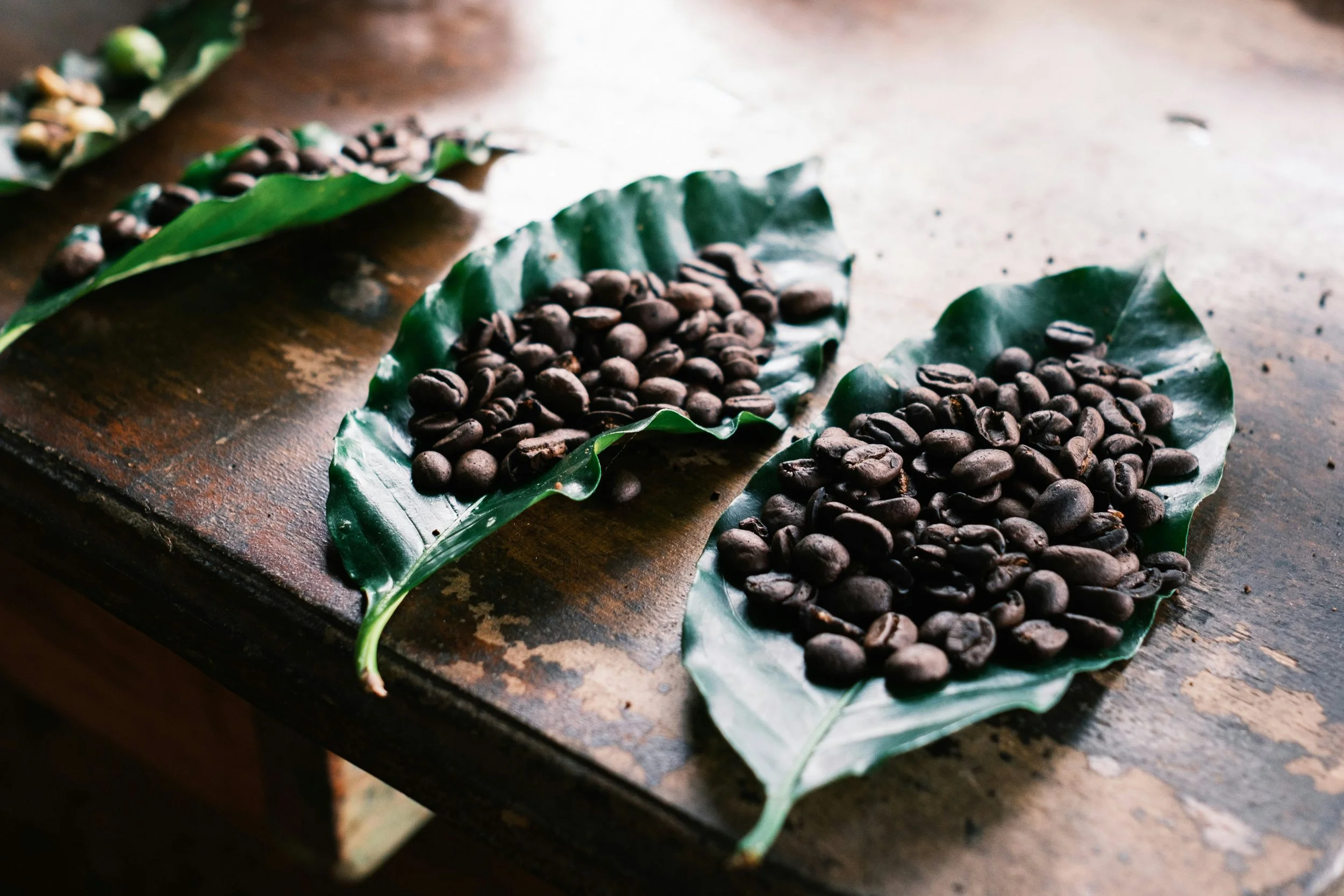
The topic of bioeconomy was prominently featured in discussions during COP30 in Belém, Pará. This sector, which combines technological innovation, sustainable use of natural resources, and the enhancement of local production chains, could generate up to US$7.7 trillion in the global economy by 2030. For Brazil, and especially for the Amazon region, this topic represents not only an environmental challenge but also a strategic economic opportunity for small and medium-sized entrepreneurs.
COP30 placed the country at the center of the global debate on sustainable development and, at the same time, opened a window of opportunity for micro and small enterprises (MSEs), with the bioeconomy being one of the main avenues for this opportunity. After all, it strengthens sectors such as biomaterials, ecological restoration, biotechnology, and forest-based products, in a movement that combines sustainability and income generation. In this context, MSEs play a fundamental role, both in the development of innovative solutions and in their integration into new value chains.
“The bioeconomy translates into the possibility of combining income generation, innovation, and environmental conservation. And Brazil can show the world that it is possible to produce wealth based on biodiversity, and not at its expense,” stated Bruno Quick, Technical Director of Sebrae Nacional. “For entrepreneurs, this means access to new markets, sustainable technologies, and green business opportunities, as well as greater international visibility.”
COP30 helped connect small businesses to this green market of sustainable products and services such as solar energy, biodegradable packaging, and recycling, promote credit lines geared towards sustainable practices, and disseminate ESG concepts among SMEs.
Bruno
Quick sees great potential in three major areas of the bioeconomy, which also symbolize the foundations of future entrepreneurship. The first is innovation born from nature, involving biotechnology, bio-inputs, natural cosmetics, herbal medicines, and functional foods. The second is the strengthening of socio-biodiversity supply chains, with products such as açaí, Brazil nuts, honey, vegetable oils, fibers, managed timber, and other non-timber forest products. And the third is the green transition of traditional businesses in sectors such as tourism, fashion, gastronomy, construction, and renewable energy.
“These segments, when driven by the bioeconomy, increase the competitiveness of SMEs and position Brazil as a global leader in sustainable solutions based on its natural wealth,” explains Quick. “We are seeing more and more businesses investing in new products and expanding markets without losing their regional DNA, while simultaneously strengthening small local producers who supply the raw materials. Furthermore, we have developed integrated territorial development strategies, stimulating local governance and cooperation between public, private, and community actors. This model strengthens production chains and creates innovation ecosystems that generate long-term opportunities for small businesses.”
Consolidation of the bioeconomy
The transition to a low-carbon economy requires a strong foundation in science, technology, and innovation. Aligned with the Brazilian Technological Needs Assessment (TNA_BRAZIL), Sebrae has acted as a catalyst in the implementation and dissemination of sustainable technological solutions among small businesses, directly contributing to the consolidation of the bioeconomy in the country.
To materialize these initiatives, Sebrae has robust instruments at its disposal. Among them is the Inova Biomas program, which stimulates the development of specific technological solutions for Brazilian biomes, respecting their particularities and enhancing their natural assets. Sebraetec Sustentabilidade facilitates access for small businesses to green technologies, promoting competitiveness through sustainability. The Catalisa program acts as an accelerator for startups and innovative companies that develop solutions for climate challenges.
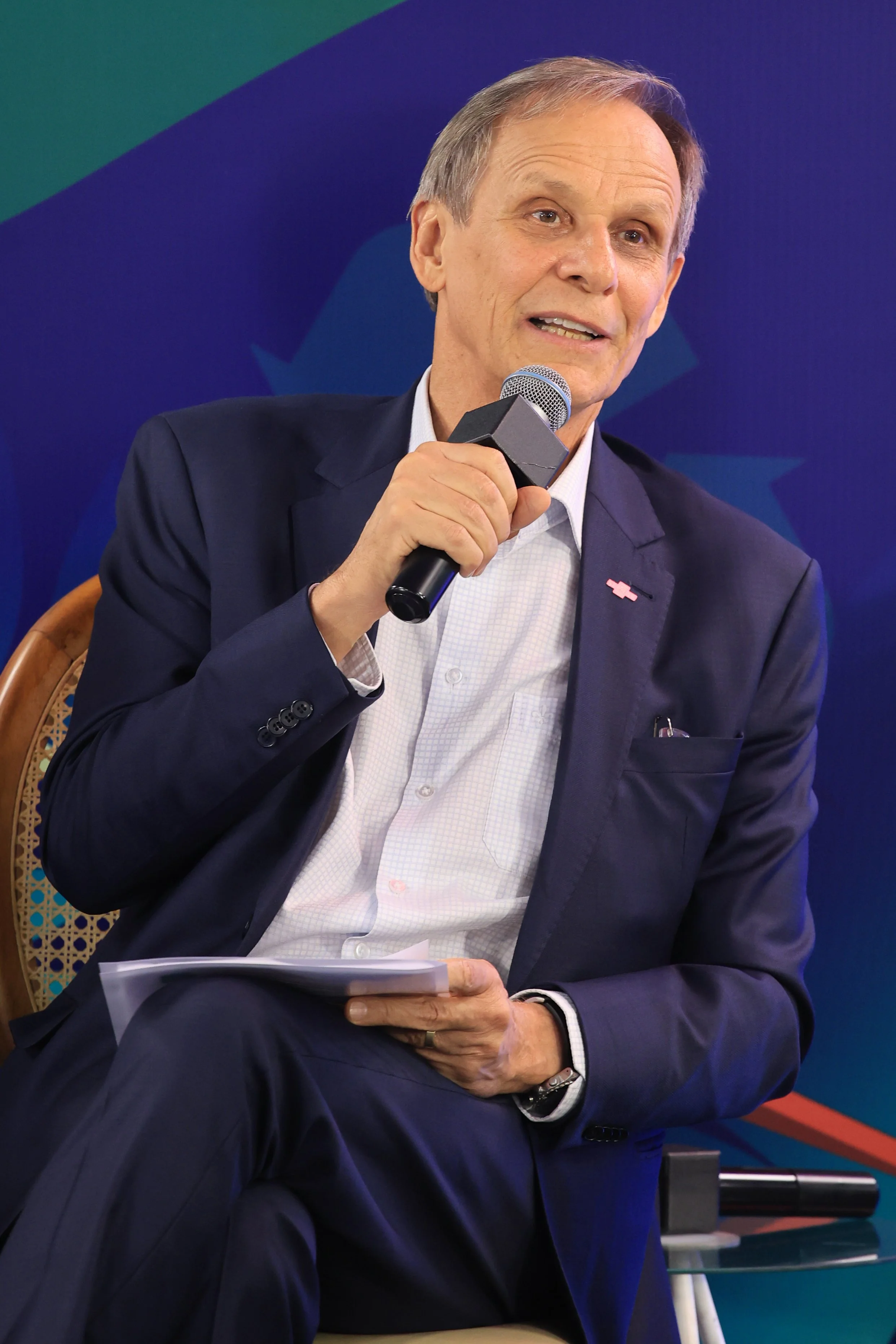
Bruno Quick, Technical Director of Sebrae
Although the Amazon is considered the epicenter of the Brazilian bioeconomy, Brazil, with its continental size and unique diversity of biomes, possesses extraordinary potential to lead the global transition to a green economy. "The bioeconomy is not a topic restricted to the Amazon," Quick emphasizes.
“It is a new development model that can be adapted to all Brazilian biomes. I believe that every territory has bioeconomic potential, whether in the Caatinga, the Cerrado, the Atlantic Forest, or the Pantanal.” Furthermore, the ocean economy presents itself as a strategic opportunity for the sustainable and innovative use of marine resources.
Sebrae has been working to show that the bioeconomy can generate broad and concrete opportunities in all regions of Brazil, stimulating sustainable production chains and expanding entrepreneurs' access to new technologies and markets. "We want to show micro and small entrepreneurs that it's possible to make money with the forest standing," said Quick.
"At Sebrae, we promote training, incubation, and innovation programs that connect entrepreneurs to the green agenda, as well as territorial design initiatives and the valorization of local culture and knowledge. We also support ecological transition projects for urban businesses, helping companies become greener, more competitive, and more aware of their environmental role."
Transforming purpose into practice
In the Lower Amazon region, Sebrae has supported the implementation of the Bioeconomy Hub and projects that strengthen socio-biodiversity production chains, demonstrating that it is possible to preserve forests while also fostering economic development for local communities. The proposed development model seeks to converge the efforts of companies intensive in bioeconomy innovation, sustainable management of traditional businesses – such as tourism and gastronomy – and initiatives aligned with ESG and Circular Economy principles.
COP30 should expand this movement, offering innovation hubs, thematic pavilions, and business roundtables focused on the bioeconomy and technology – strategic spaces where SMEs can connect with investors, large companies, and international institutions.
“These mechanisms are essential to transform purpose into practice,” Quick explained. “Innovation hubs will be showcases of technological solutions, where SMEs can connect with startups, investors, and research institutions. Business rounds create direct bridges between entrepreneurs and the national and international market, fostering partnerships and commercialization.”
The bioeconomy offers a new paradigm in which environmental protection and economic growth complement each other, expanding possibilities for small businesses. This innovative approach positions Brazil as a potential global leader in the transition to a more sustainable economy, leveraging its natural advantages to create solutions that benefit both the environment and society.
