

who has used the maloca around the world


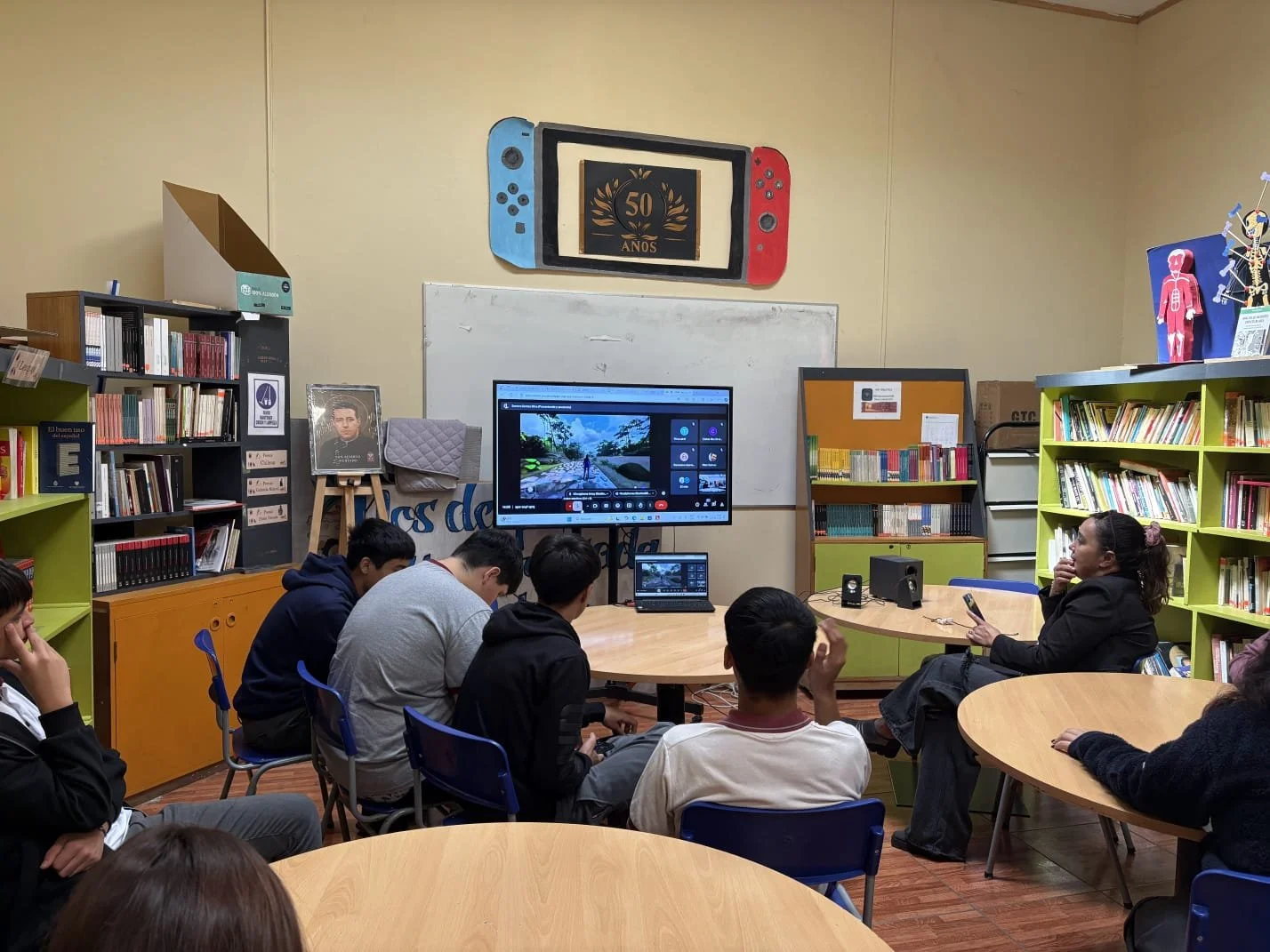
From March to October 2025, more than 2,000 people participated in 19 test events within one of the Project's Maloca
The first test event was held in March 2025. More than 1,000 students from public schools across three continents (South America, Africa, and Europe) participated.
The young people gave presentations in Portuguese, French, English, and Spanish on global and local solutions to combat and address global climate change, focusing on water management and conservation. At Maloca , they were able to discuss some of the practical actions they have been taking.
The quality of the projects presented was impressive! One of the presentations was by students from Guarapuava, Paraná, who addressed flood risk management. "We conducted an activity around the Cascavel River and interviewed residents of the at-risk area to understand their perspective and collect data," said Rafaela Zerbielli, a student at Colégio Estadual Padre Chagas. "With the results, we were able to propose concrete solutions to improve people's lives and restore the river."

Rafaela presented her research in Portuguese and was understood by the other students, thanks to the AI translation from Maloca . The event with the students was part of the Youth Climate Assembly, which is part of the international Global Youth Climate Pact program, with the theme 'Water Crisis: Concrete Actions from the Global Youth Climate Pact ( GYCP ) Youth'.
The scientific director of the Global Compact for Youth Climate, Alfredo Pena Vega, from the School for Advanced Studies in the Social Sciences in Paris, emphasized the relevance of this meeting in an interview . “The importance of this initiative is to provide young people, both from Brazil and from other countries in Latin America, Europe, Africa, and the Middle East, with the opportunity to discuss a fundamental issue: the problem of water. The exchange of experiences among participants, coming from different contexts and realities, is essential to creating more effective and integrated solutions to the global water crisis.”
Since the start of testing, Maloca has already received 2,000 visits, with users on every continent of the globe.
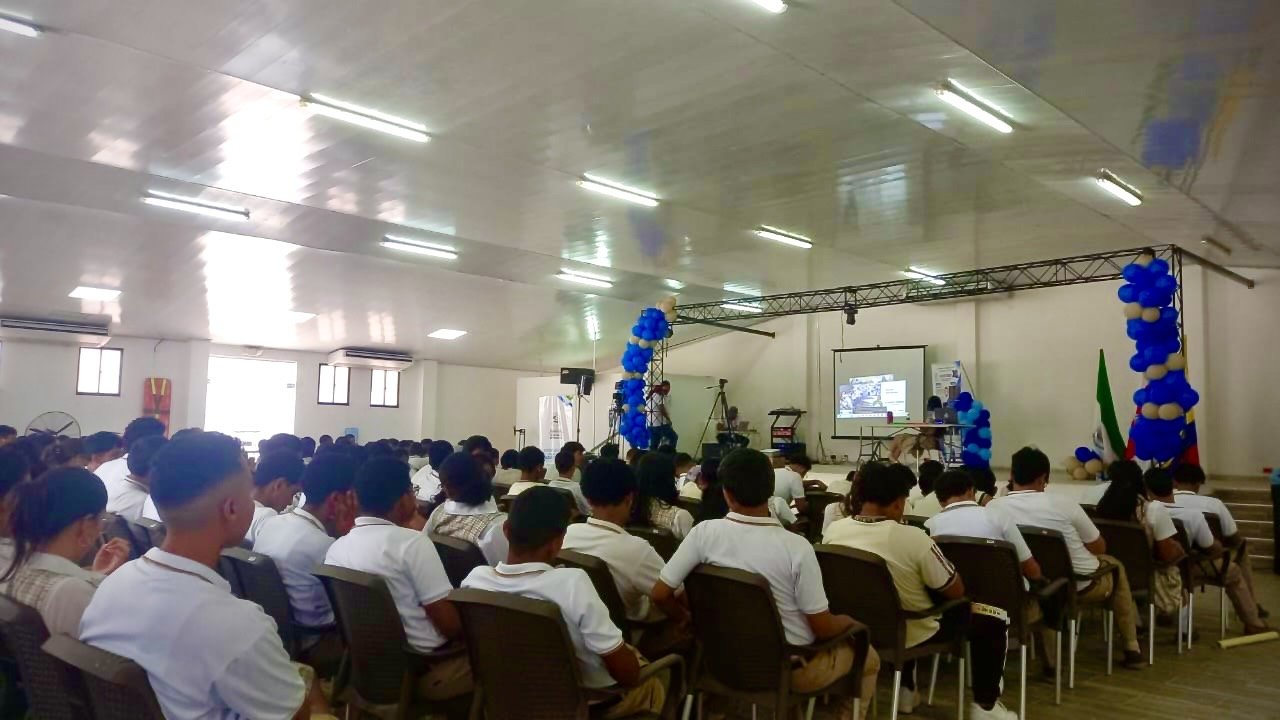
What did the students think?
Check out the testimony of María Camila Pertuz and Zharick Mora, Colombian students and co-founders of the Rio Robot . They participated in discussions at Maloca about water-related challenges during the Youth Climate Assembly, which is part of the international Global Compact for Climate program.
Alfredo Pena Vega, scientific director of the Global Youth Climate Compact
“The importance of this initiative is to provide young people, both from Brazil and other countries, with the opportunity to discuss a fundamental issue: the problem of water. The exchange of experiences among participants, from different contexts and realities, is essential to creating more effective and integrated solutions to the global water crisis.”
Zharick Mora, an Electronic Engineering student at the University of La Costa, in Colombia
"Technology has become a fundamental tool for addressing the water challenges we face. During the assembly, young people presented their projects, highlighting the power of creativity and technology to create sustainable solutions. Seeing everyone's commitment and passion was very inspiring! The way forward is to continue investing in science and technology to generate change."

The GYCP letter
Check out the full letter produced by the Global Youth Climate Pact, which presents proposals for COP30, and learn more about the Global Youth Climate Pact.
Maloca at COP29
Maloca event with the students, its prototype had already been tested at COP 29 in Baku (video below) . Even without widespread publicity, the virtual environments received over 1,200 visitors.
